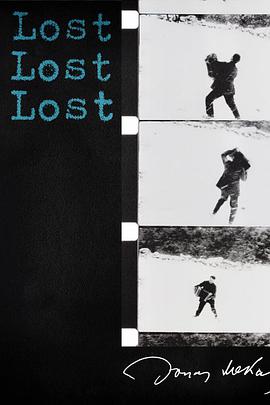
失,失,失
一部由六段分攝於不同時期的膠卷所組合成的編年記事。約拿斯.梅卡斯以第一人稱的日記體,闡述他自1940年代從立陶宛流亡至美國的心情。梅卡斯的鏡頭關照著移民社群的日常,也在他方尋找自己的家,如同片中的自述:「我是攝影機的眼睛,我是見證者,我記錄了這一切。我不知道,我是在歌唱還是哭泣?」
再见,影迷
This is a story about people in love with cinema, and a country going through its most difficult times. A group of friends, who met sometime ago in a movie theatre, get together to see one of them off to Belgrade. So their journey begins: from personal memories to the remembrance of their country, out of a small dark room to the mystery of Kiev's night. Their last stop - the farewell party where reality and cinema once again become a single whole.
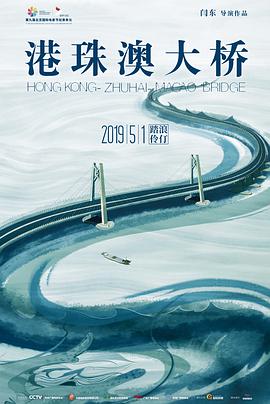
港珠澳大桥2019
本片以港珠澳大桥建设最后一节沉管E30号沉放安装过程为叙述主线,表现了中国桥梁建设者们自力更生、“敢为天下先”的创新精神和艰苦卓绝的奋斗历程,展示了大桥项目涉及水文、地质、白海豚、防台风和满足通航、海事、航空限高等复杂的建设难题,并将大桥主体工程桥、岛、隧三大部分的设计理念和世界领先的关键技术,如万花筒般呈现出来。
影片利用多样的拍摄手段,巧妙的剪辑手法,讲述了港珠澳大桥建造期间生动的故事。在刻画了一个个鲜活人物的同时,影片借助文献的力量,搜集了大量珍贵的纪录片视频资料,通过对中国桥梁史的分析,使影片内容更具科学性,影片精神更具传承。
轮回2011
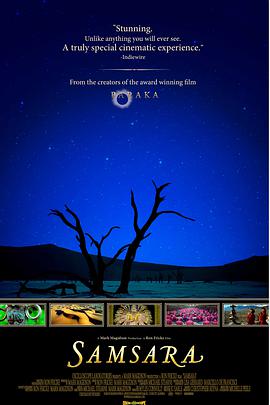
灵动的音符与舞步,天真无邪且充满信仰的双眸,开启了一段关于无始劫来轮回不休的沉思之旅。塔庙林立的蒲甘,华丽庄严的教堂,是人类千百年来对神性乃至觉悟的向往。斗转星移,物我两忘,风水雨火肆意涂抹着大地的容貌,所谓崇高的生命在自然的心中不著痕迹,蕞尔不及碎遍三千大千世界后的一抹微尘。只是,颠倒众生,刹那视若永恒,朝夕奔忙,不曾停歇,以污泥、刀锋涂改着各自的容颜。自诩万物之主,左右你我他的生命。从天上到地下,从高山到深洋,征服了如梦如幻的器世界,用光怪陆离的玩具将其装点,终不免在永业的轮回中败下阵来。一切无常,正如华美庄严的坛城,轻轻拂拭,还为尘沙……
本片历时5年拍摄,足迹遍布五大洲25个国家,荣获2012年读柏林国际电影节影评人最佳纪录片奖。
蓝色世界:终结水危机
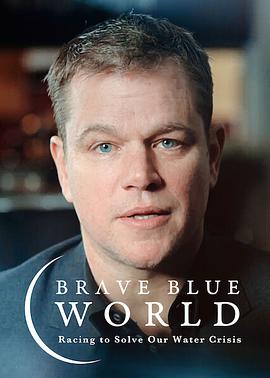
从循环利用到能源生产,这部纪录片探讨了五大洲为营造一个水资源永续利用的未来而提出的创新方案。
雕像也会死亡
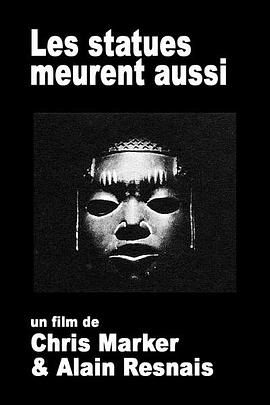
《雕像也会死亡》(Les statues meurent aussi,阿兰·雷乃、克里斯·马尔凯,1953年出品,27分钟)尖锐地批评了西方殖民主义对非洲传统艺术的戕害以及自称热爱非洲艺术的上等阶层的贪婪与伪善。本片的主角是来自黑非洲的人物雕像、面具和其他非洲艺术品,但是它们的演出场所并非黑人的故乡,而是白人的欧洲,艺术品市场和艺术品拍卖会是它们频频出没和滞留的中转地。这些本来被非洲部族用来抵抗死亡的面具和雕像,如今却呆在博物馆的橱窗里静静地死去。此时,画外音告诉我们:“当人死去的时候,他便进入了历史;当这些雕像死去的时候,它们进入了艺术;这种关于死亡的学问,我们最后称之为文化。”由于本片具有鲜明而强烈的社会批判意识,自拍竣之日起即遭到法国政府禁映,直到1963年才解禁。本片由长于剪辑的阿兰·雷乃操刀剪辑,由强于写作的克里斯·马尔凯撰写解说,充分发挥了两人各自的强项,可谓强强合作的结晶。
This collaborative film, banned for more than a decade by French censors as an attack on French colonialism (and now available only in shortened form), is a deeply felt study of African art and the decline it underwent as a result of its contact with Western civilization. Marker's characteristically witty and thoughtful commentary is combined with images of a stark formal beauty in this passionate outcry against the fate of an art that was once integral to communal life but became debased as it fell victim to the demands of another culture.
梵·高1948
《梵高》(Van Gogh,阿兰·雷乃,1948年|17分钟|35毫米|黑白|有声)以荷兰著名画家梵高(1853—1890)的绘画作品作为影像素材讲述了梵高的生平并评述了他的绘画艺术。法国南部普罗旺斯地区一望无际的麦田,古朴清幽的农舍,梵高及其朋友和邻居们的形象依次出现在银幕上。这些形象不是摄自现实的生活场景,而是取自画家的绘画作品,零碎的形象在摄影机的关照之下复活起来。本片导演阿兰·雷乃(Alain Resnais)1922年生于法国瓦纳市,1943年入巴黎高等电影学院学习剪辑。在1959年因执导故事片《广岛之恋》而一鸣惊人之前,他的电影创作活动主要是在纪录片方面,并成为二战后法国纪录电影学派“三十人集团”的核心人物。1940年代末到1950年代初,雷乃拍过一系列美术纪录片,本片即是其中的一部。本片的表现手法,正如雷乃在本片的片头字幕上所说,就是“仅仅通过绘画作品展示这位伟大现代画家的生命传奇与精神历险”,探索“绘画作品中的形象和事物能否在电影叙事中取代现实生活中的形象和事物,以及观众能否接受这些形象并顺利进入画家的内心世界”。
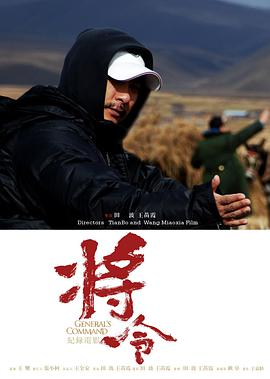
将令
白鹿原纪录片<将令>吼出中国最难拍的电影。情欲强烈得体,全篇震撼感人,此部9年筹备5换导演的现实主义巨作之幕后坎坷首度亮相。
《白鹿原》是根据陈忠实的同名小说而改编的,由王全安执导,张雨绮、段奕宏和张丰毅等主演。 该影片筹备9年,电影以陕西关中平原上素有“仁义村”之称的白鹿村为背景,展现了白姓和鹿姓两大家族祖孙三代的恩怨纷争,主要表达北方农民生存状态中原生态的东西。
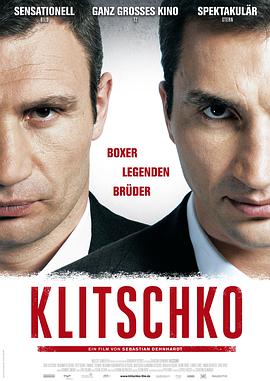
克里琴科
本片荣获2011年塞巴斯蒂安国际电影节最佳纪录片提名。
影片从两位拳击传奇巨星兄弟在乌克兰社会主义时代的童年艰难生活开始,直到他们成为国际拳坛巨星,展现了他们的努力及相互的冲突,着重刻划了兄弟情,以及他们的故事激励了一代体育迷。
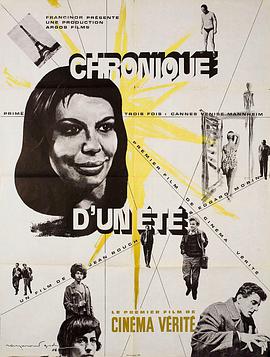
夏日纪事
1960年的夏天,社会学家埃德加·莫兰和让·鲁什对巴黎年轻人的日常生活进行调查,了解他们对幸福的理解。这部论述电影连续几个月跟踪调查的进行,也记录了主人公们的变化。调查中被采访的人最后在影片第一次放映的时候聚集在一起观看进行讨论,有人的赞同,有的人驳斥。两位导演通过这部真实电影,经历了既极具挑战又充满乐趣的体验。
"In the summer of 1960, Jean Rouch and Edgar Morin investigated the everyday life of people living in Paris. ""Are you happy? How do you live?"" These are some of questions they asked young people on the street in an attempt to understand their idea of happiness.
From manual labourers, students, to a couple of office workers, the different protagonists reveal themselves in conversation, unconcerned about the presence of the camera. With no script, and no professional actors, this film sets out to frame the limits of cinematographic truth."
1961 戛纳国际电影节 国际影评人奖

四万万人民
简介:
在世界电影史上,尤里斯·伊文思被称为纪录电影的先驱,与美国的罗伯特·弗拉哈迪、英国的约翰·格里尔逊和苏联的吉加·维尔托夫并称为四大纪录电影之父,与其他三位不同的是,伊文思的创作生涯最长,在长达60余年的创作生涯中拍摄了60余部影片,一部寻找失落青春的诗意纪录《塞纳河》曾使他获得1957年的戛纳金棕榈大奖。
中国的抗战不仅掀起了中国电影人的创作热情,也吸引了国外电影大师的镜头。上世纪30年代末,多位国外记录片导演来华摄制影片,他们中最杰出的代表就是尤里斯·伊文思。伊文思1938年在中国拍摄的《四万万人民》不仅是他电影生涯的代表作,也是他与中国维持50年的情谊的开端。从抗战开始,在不同的年代,他用自己的镜头纪录下了不同的中国。
外国人来华拍纪录片的历史,最早大约可以追溯到电影诞生的那几年。1896年,卢米艾尔兄弟派出了数百名摄影师奔赴世界各地拍片,其中一些摄影师就曾来华拍片。此后,美国人、意大利人、苏联人、瑞典人都曾经把镜头对准过中国,但多是风光片及风土人情、文物考古、民居民俗的纪录,直到战争的悄然到来。1935年,在燕京大学任教的美国记者埃德加·斯诺用一台十六毫米手摇摄影机拍下了“一二·九”学生运动的场面,今天已成为珍贵的历史资料。
1938年,尤里斯·伊文思来了,这个“飞翔的荷兰人”飞到了中国,与他同行的还有我最崇拜的战地摄影师罗伯特·卡帕。在1936年,两个勇敢的人在西班牙内战爆发之际,把摄影机和照相机的镜头对准了这片燃烧的土地,伊文思拍摄了广受赞誉的纪录片《西班牙土地》,而卡帕也因拍摄《共和军之死》的照片一举成名。 “纪录”拥有了出生入死的刚毅血性。从此,“什么地方燃烧,就去什么地方拍摄”被奉为摄影师的职责。西班牙内战是西方前线,而中国战场则被称为是反法西斯斗争的东方前线,从西方前线远涉到东方前线,伊文思和卡帕在中国拍摄的珍贵图像仿佛西班牙影像的回音。
1938年4月初,在抵达中国不久,二人便拍摄了“台儿庄战役”,那是值得庆贺的第一场正面击溃日军的胜利,伊文思和卡帕要求上前线拍摄,最终未能拍到决战的场面,因为他们是外国人,没人敢为他们的生命承担风险,但他们还是抓住机会在台儿庄附近的小树林中拍摄了这场战斗。伊文思回忆说:“我不是一个作家,我通过画面能够更好地表达自己,我一定要表达死亡对我意味着什么,不仅仅是拍几个尸体,而是拍摄整个一段,死亡牵连到的往往是许多人。我触到了中国,中国也触到了我,我拍了战争,拍了一个在战争中瓦解,又在战火中形成的国家,我看到了勇敢!”
纪录这场战争的《四万万人民》成为了关于中国抗日战争的真实写照,并且起到了声援中国人民的抗日战争的积极作用,这些影像成为后来中国抗战影片的重要素材。而卡帕生平最有力度的照片,就是他拍摄的遭日军空袭后的劫难场面。
正如卡帕那句永远的名言:“如果你照片拍得不够好,因为你离得不够近”。1954年,卡帕在越南战场触雷身亡,如一个不参与杀戮的斗牛士般身着光彩耀目的斗牛士装束轰然倒下,而伊文思继续潜行在战火中。
伊文思的冒险不是赌徒的博彩,也不是亡命徒般的轻生,而是为激情所贯注,为信仰所战斗的勇气。在中国抗日战场上,在越南抗美的丛林中,在古巴剿匪的追击中,甚至在70岁高龄,依然在战火中拍摄。这个“飞翔的荷兰人”被祖国放逐,却四次来中国,他称中国是收养他的“第二故乡”,他爱这里的人民。
红色电影的开端——延安电影团
伊文思在临走之前,秘密地把一台埃摩摄影机交给了一位左翼影人吴印咸,这位吴印咸后来被称为共和国摄影艺术的拓荒者。1938年秋,吴印咸和袁牧之两人带着这台摄影机和从香港购得的全套电影器材到达延安,在八路军总政治部下成立了“延安电影团”。
最初电影团只有6个人,有电影工作经验的仅有3个。1938年10月1日,电影团开拍了自己的第一部作品,记录片《延安与八路军》。1940年袁牧之将完成的影片底片带到苏联,没想到正好苏德战争爆发,没能在苏联印出拷贝送回国内放映。进入40年代后,电影团拍摄了多部新闻短片,在根据地露天放映。